Back to home

Outbreak Management

Antibiotic Resistant Organisms (AROs)

Enterobacteriaceae that are resistant to carbapenem antimicrobials through the production of carbapenemase are known as carbapenamase-producing Enterobacteriaceae (CPE). Only a few last line antibiotics are active against CPE; however, these are often highly toxic with unproven efficacy.

To learn more about testing and reporting information visit Public Health Ontario Carbapenemase Producing Enterobacteriaceae respources

MRSA stands for Methicillin-Resistant Staphylococcus Aureus. It is a type of staph bacteria that resists many common antibiotics. Most often, it causes painful skin boils or abscesses, but it can also lead to severe infections in the blood, lungs, or surgical wounds.

  • Community-Associated (CA-MRSA): Spreads via skin-to-skin contact or shared items (like towels or razors) in places like gyms, schools, and locker rooms.
  • Healthcare-Associated (HA-MRSA): Happens in hospitals or nursing homes, often tied to surgeries, catheters, or weakened immune system

To learn more about MRSA visit PHO website on Methicillin Resistant Staphylococcus Aureus (MRSA)

Vancomycin-resistant enterococci (VRE) are a type of bacteria present in the gastrointestinal tract that develop resistance to many antibiotics, especially vancomycin. It is spread from person-to-person or from contaminated surfaces and can cause severe infections. VRE is typically acquired in health care or hospital settings. Proper infection and prevention and control can help to prevent transmission. This page contains clinical resources and research findings related to VRE.

To learn more on visit PHO website on Vancomycin Resistant Enterococci (VRE)

Candida auris (C. auris) also known as Candidozyma auris is a type of yeast that can cause severe illness and spread easily among very sick patients in healthcare facilities. C. auris can cause a range of infections from superficial (skin) infections to more severe, life-threatening infections, such as bloodstream infections.

C. auris is often resistant to antifungal medications, meaning the fungus develops the ability to defeat the drugs designed to kill it. That means the germs are not killed and continue to grow. Resistant infections can be difficult, and sometimes impossible, to treat.

Visit Public Health Ontario website to learn more about Candida auris

Routine Practices

Routine Practices refer to infection prevention and control (IPAC) practices to be used with all clients/patients/residents during all care, to prevent and control transmission of microorganisms in all health care settings. Routine Practices must be incorporated into the culture of each health care setting and into the daily practice of each health care provider to protect both the client/patient/resident and health care provider.

Routine practices include risk assessment, hand hygiene, personal protective equipment, control of the environment and administrative controls.

The first step in the effective use of Routine Practices is to perform a risk assessment. A risk assessment must be done before each interaction with a client/resident or their environment in order to determine which interventions are required to prevent transmission during the interaction, because the client/resident’s status can change.

Risk assessment should include following factors:

  • The client/resident infection status(including colonization)
  • The characteristics of the client/patient/resident
  • The type of care activities to be performed
  • The resources available for control
  • The care provider immune status

Hand hygiene is considered the most important and effective ipac measure to prevent the spread of care-associated infections.

Hand hygiene is a multifaceted, multidisciplinary, facility-wide hygiene program, which includes demonstrable administrative leadership, education, champions and environmental enablers can be effective at reducing the incidence of infections.

Alcohol-based Hand Rub or a hand hygiene sink must be provided at the point-of-care, where busy care providers can clean their hands without leaving the client/resident. ABHRs are the preferred method to routinely decontaminate hands in situations when hands are not visibly soiled as they provide for a rapid kill of most microorganisms, are less time-consuming than washing with soap and water and are easier on skin.

For more information visit PHO's New Hand Hygiene Program

Personal protective equipment (PPE) is clothing or equipment worn to minimise exposure to hazards in the workplace. In IPAC program it used to minimise exposure to infectious agents.

PPE does not remove or reduce infections and does not replace other control measures. PPE is used to prevent transmission of infectious agents from resident-to-staff. The same equipment will also prevent transmission from resident-to-resident, staff-to-resident and staff-to-staff.

PPE should be put on just prior to the interaction with the client/resident. When the interaction for which the PPE was used has ended, PPE should be removed immediately and disposed of in the appropriate receptacle.

Most common PPE used in congregate care settings are gloves, gowns, medical mask, N95 Respirators and eye protection.

The physical environment of a congregate living setting can harbour many microorganisms that are capable of causing infection in susceptible individuals. Maintaining a clean and safe care environment is an essential component of IPAC and isintegral to the safety of clients/residents and staff.

Numerous studies have shown that care environment harbours bacteria and viruses that may be transferred to clients/residents and equipment via the hands of care providers.

Environmental cleaning in the congregate living setting should be performed on a routine and consistent basis to provide for a safe and sanitary environment.

For more resources visit Public Health Ontario Environmental Cleaning

Administrative controls are measures that the congregate living setting puts into place to protect staff and clients/residents from infection. Following components should be in place:

IPAC education should be provided to all staff, especially those providing direct client/resident care, at the initiation of employment as part of their orientation and as ongoing continuing education on a regular basis.

Respiratory etiquette. Congregate living settings should reinforce with staff, clients/residents and visitors the personal practices that help prevent the spread of microorganisms that cause respiratory infections. Covering coughing/sneezing and not visiting the setting when ill are good practices.

Policies. All congregate living settings should establish a clear expectation that staff do not come into work when ill with symptoms that are of an infectious origin, and support this expectation with appropriate attendance management policies.

Immunization is one of the most effective preventive measures to protect clients/residents and staff from acquiring communicable diseases. All settings should have an appropriate immunization program in place.

Additional Precautions

Additional Precautions refer to IPAC interventions (e.g., PPE, accommodation, additional environmental cleaning) to be used in addition to Routine Practices to protect staff and clients/residents by interrupting transmission of suspected or identified infectious agents.
Additional Precautions are based on the mode of transmission (e.g., direct or indirect contact, airborne or droplet). There are three categories of Additional Precautions: Contact Precautions, Droplet Precautions and Airborne Precautions.

It is important that Additional Precautions not be used any longer than necessary and that frequent assessment of the risks of transmission be carried out by ICPs with the goal being the removal of precautions as soon as it is safe to do so.

To learn more and access best practice guidelines visit PHO website on Routine Practices and Additional Precautions

In congregate living settings, spatial separation of residents/clients within their bed space, dependant on a risk assessment of the resident, is recommended.

In some cases where residents/clients are known to be infected with the same microorganism, cohorting is acceptable.

A sign that lists the required precautions should be posted at the entrance to the resident/client's room or bed space.

PPE is standardized and specific to the type(s) of Additional Precautions that are in place, e.g., gloves are required for entry to a Contact Precautions room regardless of the interactions that are to take place. If the health care provider needs to leave the room, the PPE must be removed and discarded. Fresh PPE must be worn if the health care provider re-enters the room.

Additional cleaning measures may be required for the client/patient/resident environment.

Equipment must be dedicated to the resident/client whenever possible. Equipment and supplies that are required for the interaction should be assembled first and brought into the room after PPE has been put on.

Effective communication regarding Additional Precautions is essential when a resident/client goes outside for testing or to other health care settings/facilities. This communication must include Emergency Medical Services (EMS) staff and other transport staff.

Resident/client cohorting refers to:

- the placement and care of individuals who are infected or colonized with the same microorganism in the same room; OR 

- placing those who have been exposed together to limit risk of further transmission.

In congregate liging settings, resident/client cohorting does not imply that a person is moved out of his/her room. Rather, those who already share a room or who share a bathroom and who are infected or colonized with the same microorganism may be treated as a cohort.

Staff cohorting is the practice of assigning specified health care providers to care only for resident/clients known to be colonized or infected with the same microorganism. 

Visitors of resident/clients on Additional Precautions in congregate living settings:

- should be kept to a minimum

- must receive education regarding hand hygiene and the appropriate use of PPE as described under Routine Practices

- must wear the same PPE as health care providers if in contact with other clients/patients/residents or providing direct care.

Resident/clients and visitors must be informed about the reason for implementing Additional Precautions and receive instruction regarding how to enter and leave the room safely when the resident/client is on Additional Precautions

Other Infectious Diseases

Tuberculosis (TB) is an infectious disease caused by bacteria that most often affects the lungs. It spreads through the air when people with TB cough, sneeze or spit.

Exposure can also lead to latent TB infection (LTBI), in which individuals have no symptoms and cannot spread the infection to others.

Here in Canada, TB continues to disproportionately affect people facing health and social inequities, including Indigenous communities and individuals born outside the country. Ontario has also experienced a steady rise in cases, from nearly 580 cases in 2014 to almost 1,000 in 2024.

Tuberculosis is preventable and curable.

Visit Region of Waterloo Public Health for more information and testing for TB

Measles is a highly contagious illness caused by a virus. It causes a widespread rash and flu-like symptoms. But measles isn’t just a rash. It can make you severely ill and lead to life-threatening complications like brain inflammation and pneumonia. It can also make you more likely to get sick with other infections. Getting the measles vaccine is the best way to prevent getting and spreading measles. Before it was part of routine childhood immunizations, measles caused millions of deaths around the world. Individuals with suspect/confirmed measles should be managed under Airborne, Droplet and Contact Precautions, in addition to Routine Practices. They must be placed in a single room. All staff are to wear a fit-tested, seal-checked N95 respirator, eye protection, gown and gloves. Local public health should be notified immediately.

For more guidance visit Region of Waterloo Public Health


Chickenpox is caused by the varicella-zoster virus (VZV). It is very contagious. Symptoms include an itchy, blister-like rash in addition to other symptoms. Chickenpox illness usually lasts about 4 to 7 days. Children usually miss 5 to 6 days of school or childcare due to chickenpox. For most people, getting chickenpox once provides immunity for life. A person can get chickenpox more than once, but it is uncommon. A person with chickenpox is contagious 1 to 2 days before the rash begins, until all the chickenpox lesions have crusted. It takes about 2 weeks (10 to 21 days) after exposure to a person with chickenpox or shingles for someone to develop chickenpox. The best way to prevent chickenpox is to get the chickenpox vaccine.

Shingles is caused by VZV, the same virus that causes chickenpox. Once a person has chickenpox, the virus stays in their body. The virus can reactivate later in life and cause shingles. People who never had chickenpox or didn't get chickenpox vaccine can get infected with VZV from someone who has shingles. People over 50 years of age affected more.

The best way to prevent is to get the vaccine. Ontario, two doses of varicella vaccine are given to children and a herpes zoster vaccine is given to older adults.

For more information visit Public Health Ontario Varicella

Lorem ipsum dolor sit amet, consectetur adipisicing elit. Maiores ipsum repellat minus nihil. Labore, delectus, nam dignissimos ea repudiandae minima voluptatum magni pariatur possimus quia accusamus harum facilis corporis animi nisi. Enim, pariatur, impedit quia repellat harum ipsam laboriosam voluptas dicta illum nisi obcaecati reprehenderit quis placeat recusandae tenetur aperiam.

Surveillance of Infections

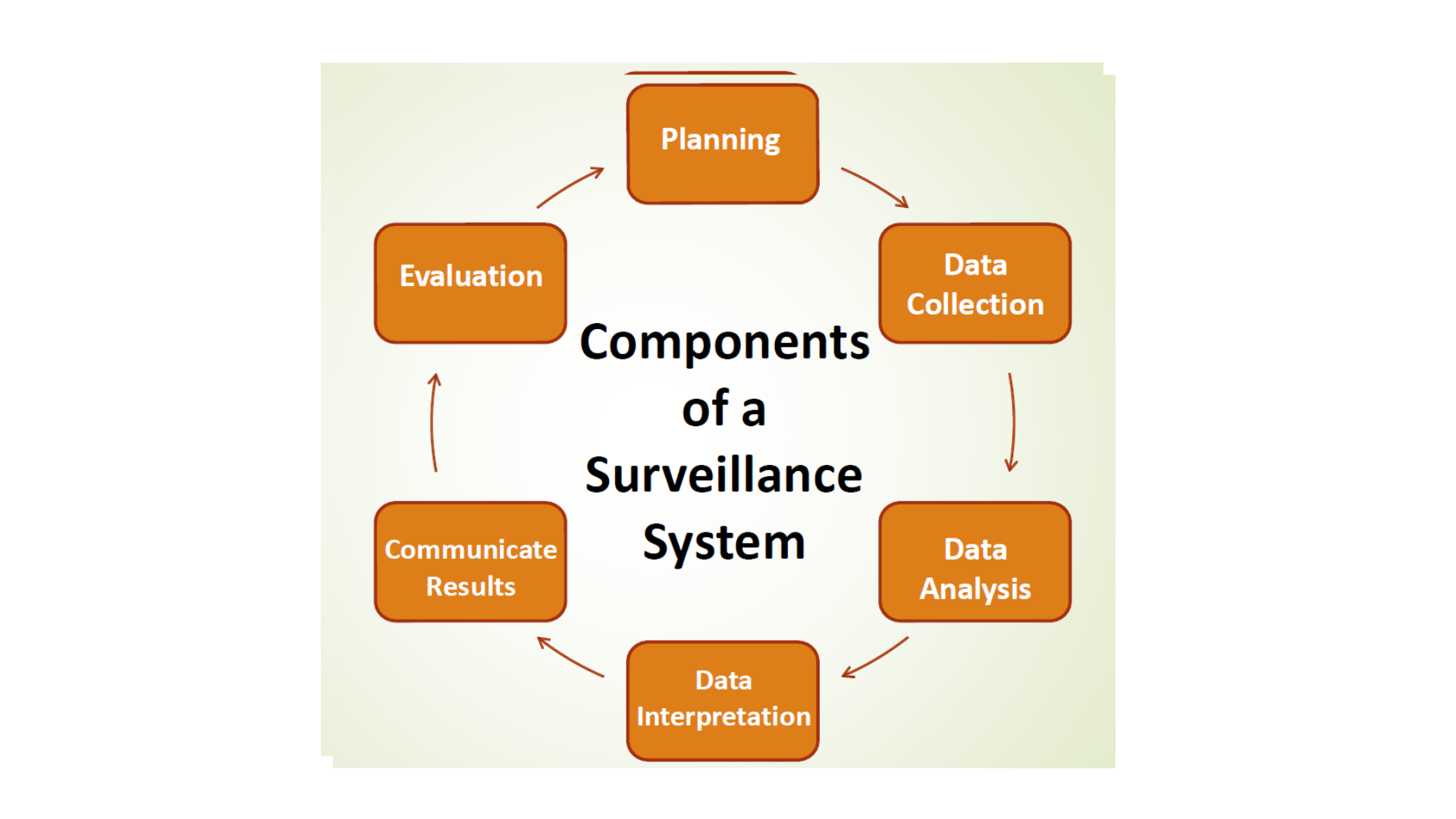
A surveillance system in long-term care and retirement homes forms an integral part of an IPAC program aimed at reducing care-associated infections. 

Estimates of the rates of Healthcare Associated Infection in long-term care homes range from 3 to 7 per 1,000 patient care days, which is comparable to that in the hospital setting.

Surveillance 101 - basics of surveillance of infections in congregate settings

Urinary Tract Infections (UTI)

Urinary tract infections (UTIs) are the most common bacterial infections in adults over 65, but they present and are diagnosed differently in older people compared to younger adults. 

Many older adults (up to 19% in the community, 50% in long-term care, and nearly 100% with chronic catheters) have asymptomatic bacteriuria—bacteria living in the bladder without causing harm. Treating ABU with antibiotics does not help, causes dangerous side effects (like C. diff), and builds antibiotic resistance. Antibiotics should only be given when true localizing or systemic symptoms accompany a positive lab test.

Public Health Ontario has developed the Urinary Tract Infection (UTI) program to respond to concerns about the overuse of antibiotics for presumed UTIs in residents in long-term care and retirement homes. The UTI program supports homes to improve the management of UTIs for non-catheterized residents in their homes and helps them implement the organizational and individual practice changes required. IPAC Hub can support implementation of this program.

Please use UTI Program rersources to implement UTI prevention


Other IPAC topics

Lorem ipsum dolor sit amet, consectetur adipisicing elit. Maiores ipsum repellat minus nihil. Labore, delectus, nam dignissimos ea repudiandae minima voluptatum magni pariatur possimus quia accusamus harum facilis corporis animi nisi. Enim, pariatur, impedit quia repellat harum ipsam laboriosam voluptas dicta illum nisi obcaecati reprehenderit quis placeat recusandae tenetur aperiam.

Lorem ipsum dolor sit amet, consectetur adipisicing elit. Maiores ipsum repellat minus nihil. Labore, delectus, nam dignissimos ea repudiandae minima voluptatum magni pariatur possimus quia accusamus harum facilis corporis animi nisi. Enim, pariatur, impedit quia repellat harum ipsam laboriosam voluptas dicta illum nisi obcaecati reprehenderit quis placeat recusandae tenetur aperiam.

Lorem ipsum dolor sit amet, consectetur adipisicing elit. Maiores ipsum repellat minus nihil. Labore, delectus, nam dignissimos ea repudiandae minima voluptatum magni pariatur possimus quia accusamus harum facilis corporis animi nisi. Enim, pariatur, impedit quia repellat harum ipsam laboriosam voluptas dicta illum nisi obcaecati reprehenderit quis placeat recusandae tenetur aperiam.